ecommerce in a tablet and a table
05 / 05 / 2026

B2B e-commerce: what it is, trends and success stories

Lucía Belzunce Digital Marketing Specialist
Lucía Belzunce

If you sell products to other companies and you don't have an online store yet, you're missing out on opportunities. It's time to make a B2B e-commerce

B2B (Business to Business) e-commerce is a business model in which companies exchange products or services with each other, rather than selling directly to end consumers. This type of commerce focuses on facilitating higher volume and complexity transactions between companies, with more flexible pricing agreements, order volume, and payment terms.

ADD TABLE OF CONTENTS

1. What is a B2B e-commerce?

B2B (Business to Business) e-commerce is a business model in which companies exchange products or services with each other, rather than selling directly to end consumers. This type of commerce focuses on facilitating higher volume and complexity transactions between companies, with more flexible pricing agreements, order volume, and payment terms.

In an increasingly digitized market, B2B e-commerce is key for businesses that want to stay competitive. It offers efficient solutions that automate processes, improve order management and reduce costs. In addition, B2B buyers look for information online before making purchasing decisions, which makes it essential to have a strong digital presence and optimization strategies. SEO to stand out in a highly competitive market.


2. Characteristics of a B2B e-commerce

Longer sales cyclesBuying in B2B commerce often involves

more thoughtful sales processes and complex negotiations that can last weeks or months, with multiple people involved in decision-making within the buying company. Although you should be able to buy in two clicks, you must give them other options and serve and serve in a long cycle: contact forms, good customer service, diversification of payment methods, remarketing, newsletter, etc.

Customized pricing and volume
Pricing in B2B commerce is often more flexible and depends on the specific agreement and order volume. B2B platforms allow for price adjustments based on purchase volume, offering discounts for bulk purchases and customized pricing based on customer needs. You can even have differentiated prices by customer groups.

Integration with ERP and CRM

B2B platforms should be integrated, whenever technically and economically feasible , with existing ERP (enterprise resource planning) and CRM (customer relationship management) systems in order to facilitate the management of orders, inventories and customer relationships in an efficient and automated manner.

Flexible payment methods
Payment methods in B2B e-commerce must be adaptable, but not exclusively in installments. While it's common to use credit payments or long-term invoicing, there are also instant payment solutions, such as bank transfers and card payments, that allow businesses to manage their cash flows more effectively. Keep in mind that many companies do not have a credit card, give them alternatives.

Personalized attention

B2B companies are looking for direct treatment and a personalized long-term relationship . Platforms must guarantee quality service and constant follow-up to maintain trust and build customer loyalty. It should be said that if the product and the service solve the needs, you have a customer for years and with a lot of recurrence. If this happens, you can afford a greater investment in attracting first customers, as you will make it profitable.

3. Price Management in B2B e-commerce

Price visibility: Public or private?


One of the first decisions in B2B price management is whether to display them publicly or reserve them only for registered customers. Displaying prices publicly increases the transparency and accessibility of the stall, but it can limit pricing personalization and loyalty strategies. On the other hand, reserving prices for registered users allows for better management of personalized offers and discounts according to the commercial conditions of each customer. As long as it does not have particular drawbacks for your business, our recommendation is to show an RRP, for greater transparency and visibility. This does not exclude that for certain customers, once they have logged in or issued a query, they can access lower prices.

Differentiated prices by customer groupsIt is very common to offer differentiated prices depending on the characteristics of the customer, such as the volume of purchase, the sector or the specific agreements established between companies. This type of flexibility ensures that each client gets conditions tailored to their needs and purchasing capabilities.

Show prices with or without taxesDisplaying prices with or without taxes depends on local regulations and the perception you want to convey to the customer. In many regions, it's common to display prices excluding VAT and add it during checkout. However, in other markets, especially in the European Union, it is clearer to show prices with taxes to avoid surprises at the time of payment. You also have the option to show both. You should keep in mind that if you want to upload your products to Google Merchants – Shopping, you will need to display and deliver the prices including VAT.
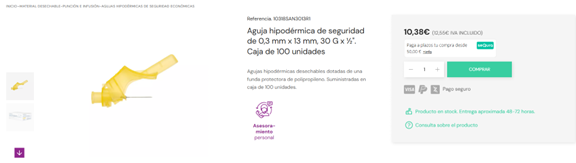
Implications on visibility and SEOIf prices are not publicly displayed or allowed for all users, it can affect the visibility of the product in search engines such as Google. This means that you won't be able to use the full Product Schema or gain visibility on platforms like Google Merchants, which require pricing information to display products to your results.

4. Differences between B2B and B2C e-commerce

Feature

E-commerce B2B

E-commerce B2C

Business model

Transactions between companies.

Direct sales to the end consumer.

Decision-making

It involves multiple people within the company.

Personal decision, based on emotions and immediate needs.

Buying cycle

Long purchase processes (weeks/months).

Quick buy, short cycle (minutes).

Order volume

Large and frequent orders.

Unitary and one-off orders.

Pricing

Dynamic, individually negotiated.

Fixed and visible to all consumers.

Marketing

Generate leads, focus on loyal customers.

Attract traffic, transform users into buyers.

5. Current trends in B2B e-commerce


Automation and artificial intelligenceCompanies are adopting automation tools to improve the customer experience and optimize internal processes. Through AI, they can personalize offers and anticipate customer needs. Spot AI helps improve the experience of search, purchase, customer service, content, etc.

Mobile e-commerce
Mobile platforms for B2B shopping are gaining popularity, improving the agility of companies in the purchasing process and optimizing inventory management.

Personalized experienceCreating a personalized shopping experience is essential to B2B e-commerce success. Companies want solutions tailored to their specific needs. Even if you have product ranges aimed at professionals from different groups, we also recommend personalizing their experience or having several themed e-commerce.

Omnichannel integration
Businesses are adopting an omnichannel model, which allows customers to interact with businesses through different channels (web, mobile, sales reps, etc.).

Sustainability and ethical tradeMore and more B2B companies are adopting sustainable and ethical practices to respond to the demands of their customers who are conscious of sustainability and responsible trade. They tend to be more demanding than in a B2B e-commerce, especially if you aspire to attract large customers.

6. B2B e-commerce success stories


DH Medical Equipment


DH Medical Material is an example of success in B2B e-commerce in the health sector. Its platform facilitates the sale of medical supplies to other companies in the health sector, with agile order management, personalized prices and a solid integration with the ERP systems of the purchasing companies. Their approach of trust and personalized attention has helped to retain a solid customer base, positioning them as a leader in their sector.

Elcashonline
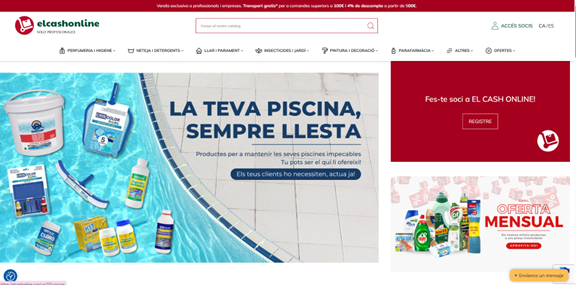

Elcashonline is a B2B e-commerce platform that facilitates transactions between companies in the drugstore and perfumery sector. Thanks to its robust digital strategy and continuous optimization of its platform to improve the shopping experience, Elcashonline has managed to improve its online visibility and expand rapidly. Their SEO and SEM integration  has been key to generating qualified leads and attracting more businesses to their service.

7. Conclusion

B2B e-commerce is critical for businesses looking to improve their efficiency, reduce costs, and expand into the digital marketplace. Its unique features, such as longer sales cycles and customized solutions, set it apart from B2C. The same technologies, strategies and actions cannot be applied as in an online store for the end consumer. Companies that embrace automation, artificial intelligence, and omnichannel integration will be the ones best positioned for the future of B2B e-commerce. These technologies will not only improve operational efficiency but also the customer experience, creating closer and more sustainable relationships.

B2B (Business to Business) e-commerce is a business model in which companies exchange products or services with each other, rather than selling directly to end consumers. This type of commerce focuses on facilitating higher volume and complexity transactions between companies, with more flexible pricing agreements, order volume, and payment terms.

ADD TABLE OF CONTENTS

1. What is a B2B e-commerce?

B2B (Business to Business) e-commerce is a business model in which companies exchange products or services with each other, rather than selling directly to end consumers. This type of commerce focuses on facilitating higher volume and complexity transactions between companies, with more flexible pricing agreements, order volume, and payment terms.

In an increasingly digitized market, B2B e-commerce is key for businesses that want to stay competitive. It offers efficient solutions that automate processes, improve order management and reduce costs. In addition, B2B buyers look for information online before making purchasing decisions, which makes it essential to have a strong digital presence and optimization strategies. SEO to stand out in a highly competitive market.


2. Characteristics of a B2B e-commerce

Longer sales cyclesBuying in B2B commerce often involves

more thoughtful sales processes and complex negotiations that can last weeks or months, with multiple people involved in decision-making within the buying company. Although you should be able to buy in two clicks, you must give them other options and serve and serve in a long cycle: contact forms, good customer service, diversification of payment methods, remarketing, newsletter, etc.

Customized pricing and volume
Pricing in B2B commerce is often more flexible and depends on the specific agreement and order volume. B2B platforms allow for price adjustments based on purchase volume, offering discounts for bulk purchases and customized pricing based on customer needs. You can even have differentiated prices by customer groups.

Integration with ERP and CRM

B2B platforms should be integrated, whenever technically and economically feasible , with existing ERP (enterprise resource planning) and CRM (customer relationship management) systems in order to facilitate the management of orders, inventories and customer relationships in an efficient and automated manner.

Flexible payment methods
Payment methods in B2B e-commerce must be adaptable, but not exclusively in installments. While it's common to use credit payments or long-term invoicing, there are also instant payment solutions, such as bank transfers and card payments, that allow businesses to manage their cash flows more effectively. Keep in mind that many companies do not have a credit card, give them alternatives.

Personalized attention

B2B companies are looking for direct treatment and a personalized long-term relationship . Platforms must guarantee quality service and constant follow-up to maintain trust and build customer loyalty. It should be said that if the product and the service solve the needs, you have a customer for years and with a lot of recurrence. If this happens, you can afford a greater investment in attracting first customers, as you will make it profitable.

3. Price Management in B2B e-commerce

Price visibility: Public or private?


One of the first decisions in B2B price management is whether to display them publicly or reserve them only for registered customers. Displaying prices publicly increases the transparency and accessibility of the stall, but it can limit pricing personalization and loyalty strategies. On the other hand, reserving prices for registered users allows for better management of personalized offers and discounts according to the commercial conditions of each customer. As long as it does not have particular drawbacks for your business, our recommendation is to show an RRP, for greater transparency and visibility. This does not exclude that for certain customers, once they have logged in or issued a query, they can access lower prices.

Differentiated prices by customer groupsIt is very common to offer differentiated prices depending on the characteristics of the customer, such as the volume of purchase, the sector or the specific agreements established between companies. This type of flexibility ensures that each client gets conditions tailored to their needs and purchasing capabilities.

Show prices with or without taxesDisplaying prices with or without taxes depends on local regulations and the perception you want to convey to the customer. In many regions, it's common to display prices excluding VAT and add it during checkout. However, in other markets, especially in the European Union, it is clearer to show prices with taxes to avoid surprises at the time of payment. You also have the option to show both. You should keep in mind that if you want to upload your products to Google Merchants – Shopping, you will need to display and deliver the prices including VAT.

Implications on visibility and SEOIf prices are not publicly displayed or allowed for all users, it can affect the visibility of the product in search engines such as Google. This means that you won't be able to use the full Product Schema or gain visibility on platforms like Google Merchants, which require pricing information to display products to your results.

4. Differences between B2B and B2C e-commerce

Feature

E-commerce B2B

E-commerce B2C

Business model

Transactions between companies.

Direct sales to the end consumer.

Decision-making

It involves multiple people within the company.

Personal decision, based on emotions and immediate needs.

Buying cycle

Long purchase processes (weeks/months).

Quick buy, short cycle (minutes).

Order volume

Large and frequent orders.

Unitary and one-off orders.

Pricing

Dynamic, individually negotiated.

Fixed and visible to all consumers.

Marketing

Generate leads, focus on loyal customers.

Attract traffic, transform users into buyers.

5. Current trends in B2B e-commerce


Automation and artificial intelligenceCompanies are adopting automation tools to improve the customer experience and optimize internal processes. Through AI, they can personalize offers and anticipate customer needs. Spot AI helps improve the experience of search, purchase, customer service, content, etc.

Mobile e-commerce
Mobile platforms for B2B shopping are gaining popularity, improving the agility of companies in the purchasing process and optimizing inventory management.

Personalized experienceCreating a personalized shopping experience is essential to B2B e-commerce success. Companies want solutions tailored to their specific needs. Even if you have product ranges aimed at professionals from different groups, we also recommend personalizing their experience or having several themed e-commerce.

Omnichannel integration
Businesses are adopting an omnichannel model, which allows customers to interact with businesses through different channels (web, mobile, sales reps, etc.).

Sustainability and ethical tradeMore and more B2B companies are adopting sustainable and ethical practices to respond to the demands of their customers who are conscious of sustainability and responsible trade. They tend to be more demanding than in a B2B e-commerce, especially if you aspire to attract large customers.

6. B2B e-commerce success stories


DH Medical Equipment


DH Medical Material is an example of success in B2B e-commerce in the health sector. Its platform facilitates the sale of medical supplies to other companies in the health sector, with agile order management, personalized prices and a solid integration with the ERP systems of the purchasing companies. Their approach of trust and personalized attention has helped to retain a solid customer base, positioning them as a leader in their sector.

Elcashonline


Elcashonline is a B2B e-commerce platform that facilitates transactions between companies in the drugstore and perfumery sector. Thanks to its robust digital strategy and continuous optimization of its platform to improve the shopping experience, Elcashonline has managed to improve its online visibility and expand rapidly. Their SEO and SEM integration  has been key to generating qualified leads and attracting more businesses to their service.

7. Conclusion

B2B e-commerce is critical for businesses looking to improve their efficiency, reduce costs, and expand into the digital marketplace. Its unique features, such as longer sales cycles and customized solutions, set it apart from B2C. The same technologies, strategies and actions cannot be applied as in an online store for the end consumer. Companies that embrace automation, artificial intelligence, and omnichannel integration will be the ones best positioned for the future of B2B e-commerce. These technologies will not only improve operational efficiency but also the customer experience, creating closer and more sustainable relationships.
Lucía Belzunce Digital Marketing Specialist
About the author
Lucía Belzunce —

Related news

Hello! drop us a line